How Much Damage Can a Bad Fuel Filter Do to a Vehicle?
I’ve pulled more clogged, blackened fuel filters out of daily drivers than I can count, and the story is almost always the same: a small, cheap part gets ignored for years, and by the time someone finally asks “how much damage can a bad fuel filter do to a vehicle,” they’re already staring at a five-figure repair estimate for a fuel pump or a limping engine that won’t hold idle. That’s the frustrating part—this is one of the most preventable failures in the entire fuel system, yet it quietly wrecks more engines than people realize.
If you’re wondering whether that flashing check engine light, rough idle, or sudden loss of power is your fuel filter’s fault, this guide breaks down exactly what a failing filter does to your car, how fast the damage can escalate, and what it costs to fix versus prevent.
What Does a Fuel Filter Actually Do?
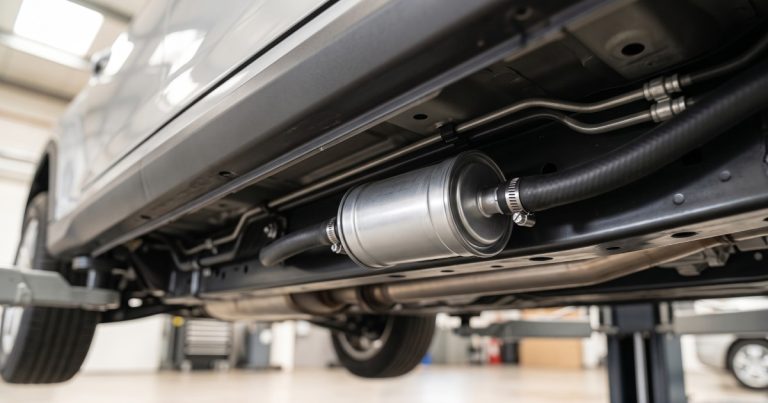
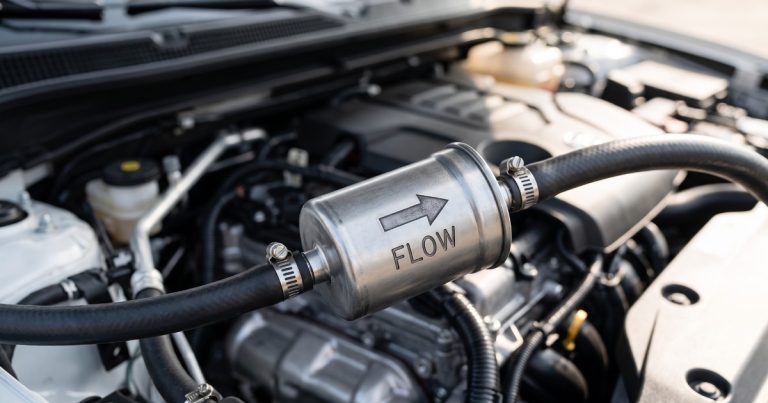
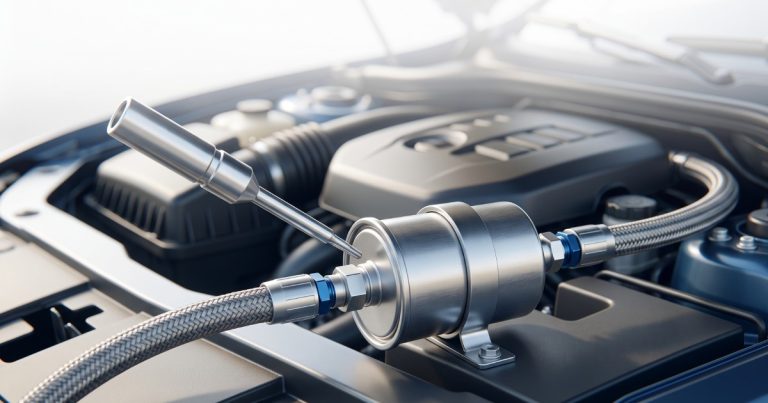
Your fuel filter sits between the gas tank and the engine, screening out rust particles, dirt, and sediment before they reach sensitive components. Most vehicles have a filter rated to catch particles as small as 10-20 microns—smaller than a grain of pollen.
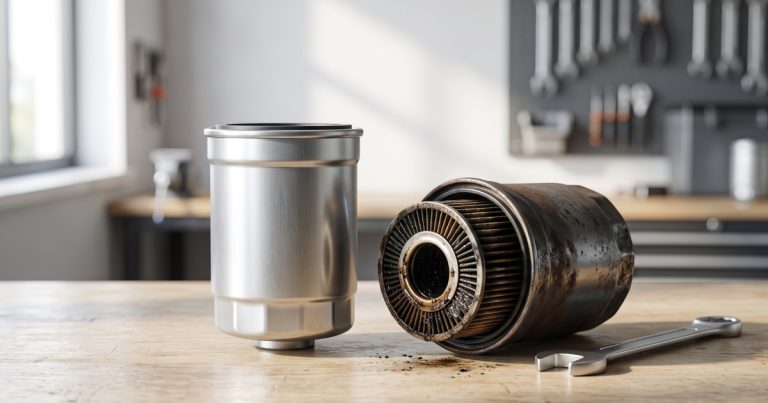
Over time, that filter accumulates debris like a furnace filter accumulates dust. Eventually, it restricts flow instead of just cleaning it. That restriction is where the real damage begins.
How Much Damage Can a Bad Fuel Filter Really Do?
A clogged or failing fuel filter doesn’t just cause a rough ride—it creates a cascade of stress on multiple systems. Here’s what I’ve seen happen, roughly in order of severity:
1. Reduced Fuel Pressure and Engine Starvation
As the filter clogs, less fuel reaches the engine, especially under load (acceleration, highway merging, towing). The engine runs lean, which can cause:
- Hesitation or stumbling under acceleration
- Stalling at idle or low speeds
- Difficulty starting, especially when the engine is warm
2. Fuel Pump Burnout (The Expensive One)
This is the damage that costs real money. When a filter restricts flow, the fuel pump has to work harder to push fuel through the blockage. That extra strain generates heat and mechanical stress the pump wasn’t designed for.
Fuel pumps are also cooled and lubricated by the fuel flowing through them. Restricted flow means less cooling, and a pump can overheat and fail prematurely. Replacing a fuel pump—especially one located inside the tank, as on most modern vehicles—commonly runs from a few hundred dollars to well over a thousand, depending on the make and labor involved.
3. Damage to Fuel Injectors
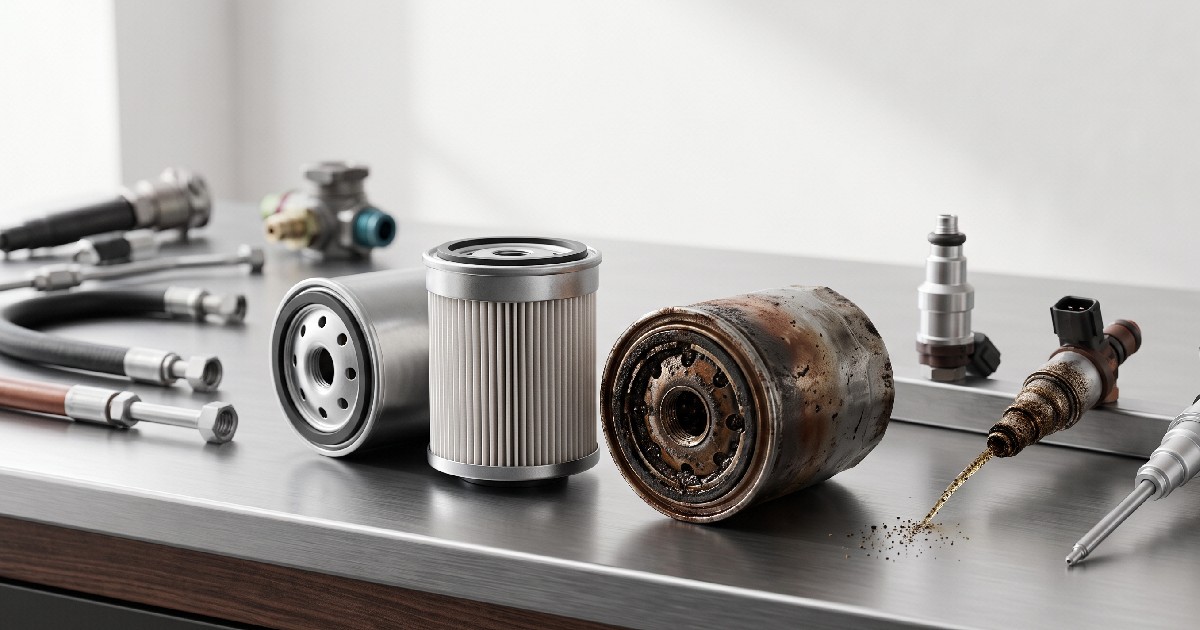
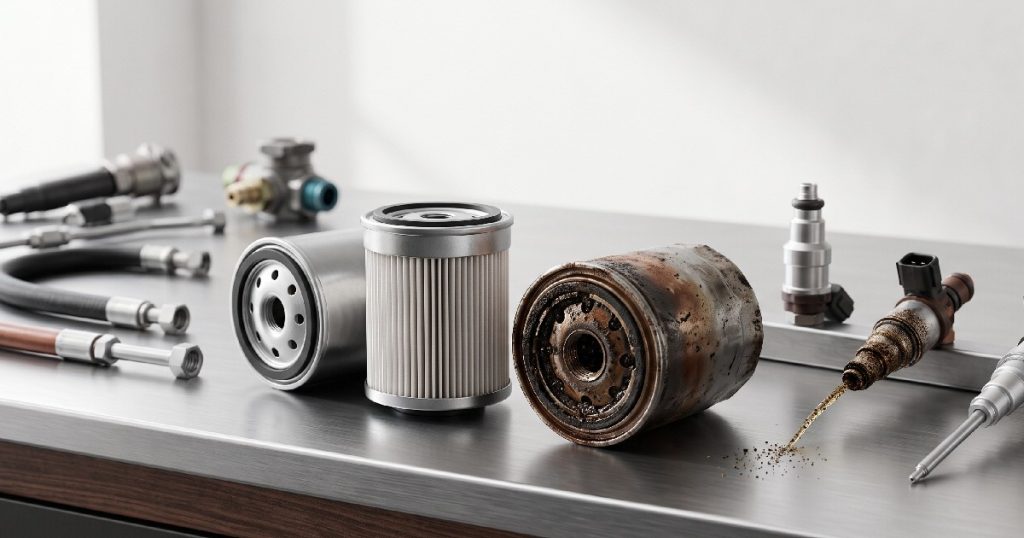
Any debris that squeezes past a failing filter, along with the erratic pressure caused by a struggling pump, can foul or damage fuel injectors. Clogged injectors cause misfires, poor fuel economy, and rough running—and injector cleaning or replacement isn’t cheap either.
4. Catalytic Converter Stress
A lean-running engine (starved of fuel) burns hotter and can send unburned fuel or excess oxygen into the exhaust system. Over time, this stresses the catalytic converter, one of the most expensive parts to replace on many vehicles.
5. Complete Engine Stall or No-Start
In the worst cases, a severely clogged filter cuts off fuel flow almost entirely. This typically happens without warning—often at the worst possible moment, like merging onto a highway.
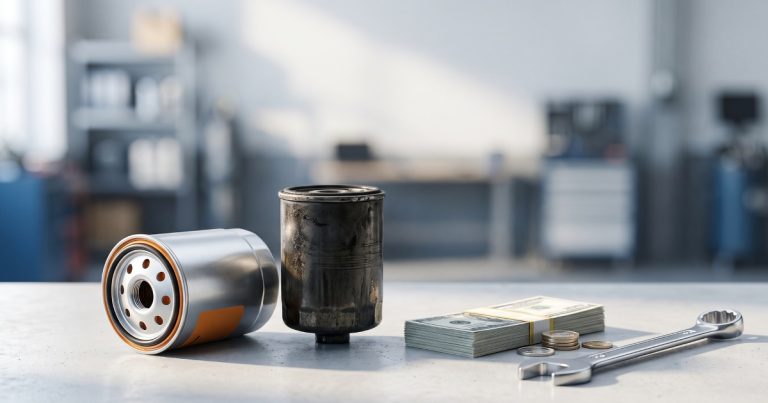
Bottom line: a bad fuel filter starts as an inconvenience and, left unaddressed, escalates into fuel pump failure, injector damage, and exhaust system stress. The part itself might cost $20–$80, but the damage it causes if ignored can run into the thousands.
How Long Can You Drive With a Clogged Fuel Filter?
There’s no fixed mileage number here—it depends on how clogged the filter is and how you drive. That said, based on typical failure patterns:
- Mildly clogged: You might drive for weeks or a few thousand miles with mild symptoms (slight hesitation, minor power loss) before things worsen.
- Moderately clogged: Expect stalling, rough idle, and poor acceleration within days to a couple of weeks. Continuing to drive accelerates fuel pump wear significantly.
- Severely clogged: The vehicle may not start reliably, or it could stall unexpectedly at any time. Driving in this condition risks leaving you stranded and dramatically increases the odds of pump failure.
My general rule from years of diagnosing these: once you notice symptoms, treat it as a countdown, not a maybe. The longer a struggling pump pushes against a clogged filter, the faster that pump wears out.
What Happens If You Don’t Change Your Fuel Filter?
Skipping fuel filter replacement doesn’t cause sudden catastrophic failure—it’s a slow build. Here’s the typical progression:
- Early stage: Slightly reduced fuel economy, occasional hesitation you might not even notice.
- Mid stage: Rough idle, stalling at stops, reduced power when accelerating or climbing hills.
- Late stage: Frequent stalling, difficulty starting, check engine light with lean-fuel-related codes.
- Failure stage: Fuel pump overheats and fails, engine won’t start, or injectors clog from restricted, dirty flow.
Many vehicles with non-serviceable (in-tank) fuel filters are designed to last the life of the pump assembly—but “designed to last” isn’t the same as “immune to damage” if fuel quality is poor or the tank has contamination.
Can My Car Run Without a Fuel Filter?
Technically, yes—for a very short time, and it’s a bad idea. Without a filter, your fuel system has zero protection against contaminants. Here’s what happens:
- Injectors clog almost immediately from dirt and debris passing straight through
- Fuel pump wear accelerates because it’s not just moving clean fuel anymore
- Engine performance becomes unpredictable—misfires, rough running, potential stalling
Running without a filter isn’t a workaround; it’s a fast track to injector and pump replacement. If your filter is removed for service, always replace it before driving—don’t skip it “just to get home.”
Signs Your Fuel Filter Is Going Bad
Catching these early can save you from the expensive failures above:
- Engine sputters or hesitates during acceleration
- Rough idle or stalling, especially at stops
- Difficulty starting the engine
- Reduced fuel economy
- Check engine light with fuel-trim or lean-condition codes
- Loss of power when climbing hills or towing
- Engine stalls when demand increases (passing, merging)
If you’re noticing two or more of these, it’s worth having the fuel system checked before a full pump failure forces the issue.
Fuel Filter Replacement: What to Expect
- Cost: Parts typically range from $20–$80; labor varies widely since some filters are easy bolt-on units while others require dropping the fuel tank on vehicles with in-tank filters.
- Interval: Many manufacturers recommend replacement every 20,000–40,000 miles for serviceable filters; check your owner’s manual, since intervals vary by model.
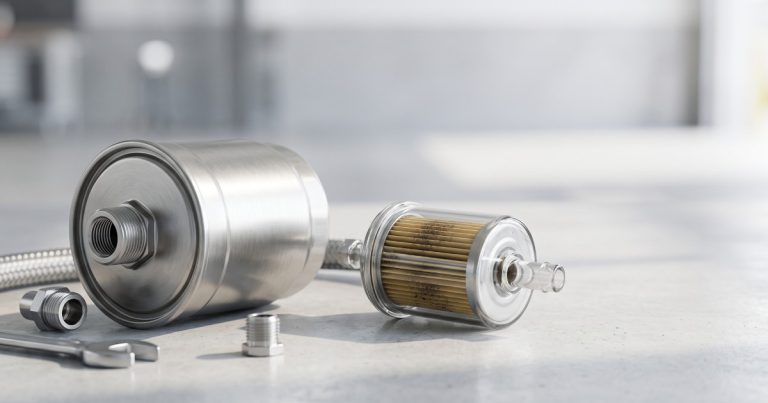
- DIY vs. Professional: External, accessible filters are a reasonable DIY job with basic tools and proper fuel-line safety precautions. In-tank filters are best left to a shop due to fuel system pressure and tank removal involved.
Quick Maintenance Checklist
- ✅ Check your owner’s manual for the recommended fuel filter interval
- ✅ Use quality fuel from reputable stations to reduce contaminant buildup
- ✅ Address rough idle or hesitation symptoms promptly, don’t wait
- ✅ Keep your fuel tank from running consistently low (sediment sits at the bottom)
- ✅ Have fuel pressure tested if symptoms persist after a filter change
FAQ: Bad Fuel Filter Questions Answered
Q: How much damage can a bad fuel filter do to a vehicle? A: It can cause reduced performance, fuel pump failure, injector damage, and catalytic converter stress. Left unaddressed, repair costs can climb from an $80 filter to a $1,000+ pump replacement.
Q: How long can you drive with a clogged fuel filter? A: It varies by severity—mild clogs might allow weeks of driving with minor symptoms, while severe clogs can cause stalling or no-start conditions within days. Treat symptoms as urgent.
Q: What happens if you don’t change your fuel filter? A: Symptoms worsen progressively—from minor hesitation to stalling, poor starting, and eventually fuel pump or injector failure.
Q: Can my car run without a fuel filter? A: Briefly, yes, but it exposes injectors and the fuel pump to contaminants, accelerating wear and risking expensive damage. Never drive intentionally without one.
Q: Is a bad fuel filter covered under warranty? A: Fuel filters are a wear item and typically aren’t covered once a vehicle is out of its basic warranty period, though resulting pump or injector failures may be evaluated case-by-case by a dealer.
Q: Can a bad fuel filter cause a check engine light? A: Yes—restricted fuel flow often triggers lean-condition or fuel-trim codes that illuminate the check engine light.
Key Takeaways
A bad fuel filter is a small part with an outsized impact. Left unchecked, it can starve your engine, burn out your fuel pump, damage injectors, and stress your catalytic converter—turning an inexpensive maintenance item into a major repair bill. The fix is straightforward: follow your manufacturer’s replacement interval, pay attention to early symptoms like hesitation or rough idle, and don’t wait until your car stalls out to take action.
If you’re noticing any of the warning signs above, get your fuel system inspected soon—it’s a lot cheaper than replacing a fuel pump.