How Much Does It Cost for a Fuel Filter Change? (2026 Price Guide)
If your engine has started stumbling at highway speed, struggling to start, or losing power under acceleration, the culprit is often something small and cheap: the fuel filter. Before you book a shop appointment, you’re probably asking the same question every one of my customers asks first — how much does it cost for a fuel filter change?
The short answer: most fuel filter replacements run $50 to $200, depending on your vehicle, filter location, and whether you do the work yourself or pay a shop. Trucks, diesels, and vehicles with in-tank filters can push that number higher — sometimes $300–$500.
After spending over a decade turning wrenches and writing about vehicle maintenance costs, I’ve priced this job on everything from economy sedans to diesel pickups. Here’s exactly what you should expect to pay, why the price swings so much, and how to avoid getting overcharged.
Fuel Filter Change Cost: Quick Breakdown
| Vehicle Type | Parts Cost | Labor Cost | Total Cost |
|---|---|---|---|
| Economy car/sedan | $15–$45 | $35–$75 | $50–$120 |
| Mid-size car/SUV | $20–$60 | $50–$100 | $70–$160 |
| Truck/large SUV | $30–$80 | $60–$120 | $90–$200 |
| Diesel truck | $50–$150 | $100–$250 | $150–$400 |
| In-tank filter (many newer vehicles) | $60–$200 | $150–$350 | $210–$550 |
These figures reflect typical U.S. independent shop and dealership pricing. Your exact number depends on a few key variables — let’s break those down.
Why Does Fuel Filter Replacement Cost Vary So Much?
A lot of people are surprised that “how much for a fuel filter change” doesn’t have one universal answer. Here’s why the range is so wide.
1. Filter Location (This Is the Big One)
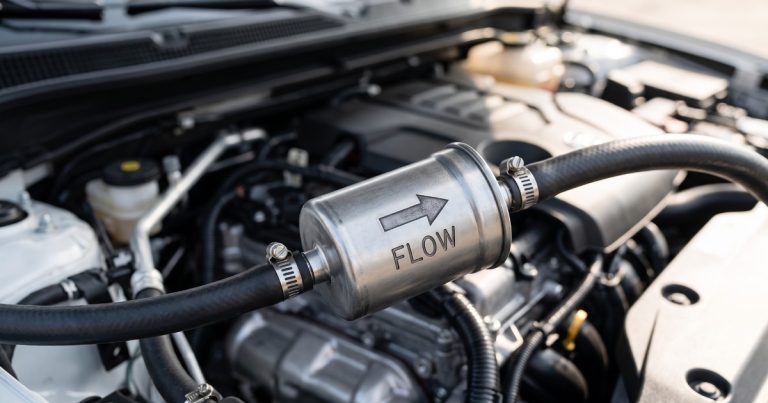
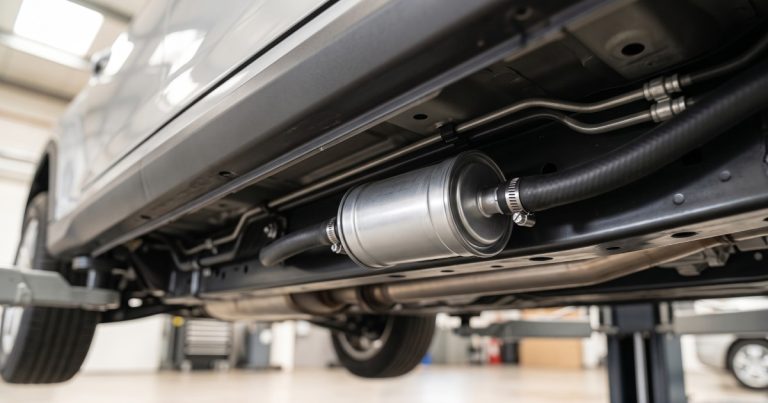
- Inline filters (mounted along the fuel line, usually under the car or near the engine bay) are quick to access. Labor is often 15–30 minutes.
- In-tank filters (built into the fuel pump assembly, common on many vehicles made after 2010) require dropping the fuel tank or removing the rear seat/access panel. Labor alone can run 2–4 hours, which is why total costs jump into the $300–$550 range.
If you don’t know which type your car has, check your owner’s manual or ask a shop — this single factor swings the price more than anything else.
2. Vehicle Make and Model
Luxury and European vehicles typically carry higher parts costs and require more specialized labor, while domestic economy cars tend to have the cheapest, most accessible filters.
3. Diesel vs. Gasoline
Diesel fuel filters do more work — they separate water from fuel and catch finer particulate — so they’re built tougher and cost more. Diesel trucks often need the filter changed more frequently too, which affects long-term maintenance budgeting.
4. Labor Rates by Region and Shop Type
- Dealership: $120–$200/hour labor rate
- Independent mechanic: $80–$130/hour labor rate
- Chain service center: $90–$150/hour labor rate
Since most fuel filter jobs take under an hour (for inline filters), the shop’s hourly rate matters less than the flat “job price” many shops quote for this specific service.
DIY Fuel Filter Replacement: How Much Can You Save?
If your filter is easily accessible, replacing it yourself is one of the more approachable DIY jobs — and it can cut your cost by 60–80%, since you’re only paying for parts.
Typical DIY parts cost:
- Economy car: $15–$45
- Truck/SUV: $30–$80
- Diesel: $50–$150
Tools you’ll likely need:
- Basic wrench/socket set
- Fuel line disconnect tool (for quick-connect fittings)
- Shop rags and a drain pan
- Safety glasses (fuel spray is a real risk)
A word of caution from experience: fuel systems are pressurized, even after the engine is off. Skipping the pressure-release step is the single most common mistake I see DIYers make, and it can result in fuel spraying under pressure. If your vehicle has an in-tank filter integrated into the fuel pump module, this is not a beginner-friendly job — the labor complexity and risk of fuel tank damage make professional installation worth the cost.
Signs You Need a Fuel Filter Replacement
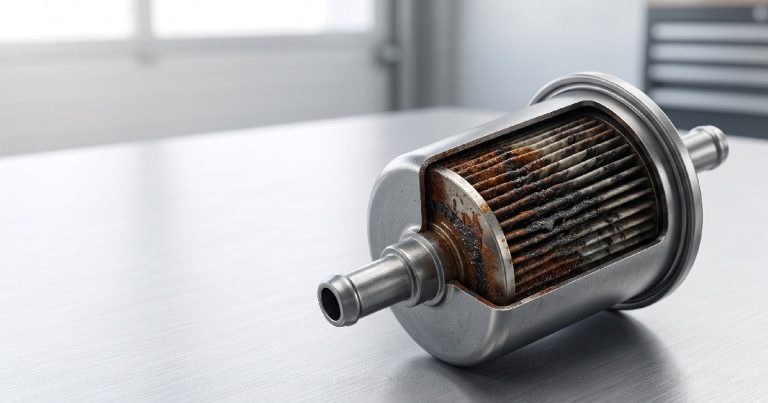
A clogged fuel filter doesn’t fail all at once — it usually gives you warning signs first:
- Engine hesitation or stumbling during acceleration
- Rough idle or stalling at stops
- Difficulty starting, especially after the car sits overnight
- Noticeable loss of power when climbing hills or towing
- Engine sputters at highway speeds, then smooths out
- Check engine light with fuel-trim or misfire codes
Ignoring these symptoms doesn’t just risk a breakdown — a clogged filter forces your fuel pump to work harder, which can shorten pump life and turn a $70 filter job into a $400–$800 fuel pump replacement.
How Often Should You Replace Your Fuel Filter?
- Gasoline vehicles: every 20,000–40,000 miles (check your owner’s manual — intervals vary widely by manufacturer)
- Diesel vehicles: every 10,000–20,000 miles, since diesel filters handle water separation and heavier contaminants
- Vehicles running on lower-quality fuel or older tanks: consider inspecting sooner, as sediment buildup accelerates clogging
Many modern vehicles with in-tank filters are rated for the “life of the vehicle” by the manufacturer — but in practice, real-world driving conditions can still cause premature clogging, especially if you frequently run the tank low (this stirs up sediment from the bottom of the tank).
How to Avoid Overpaying for a Fuel Filter Change
- Ask for the part number and price separately from labor — some shops mark up parts significantly.
- Get two quotes if the estimate is over $200, especially for in-tank filter jobs.
- Bundle it with other maintenance (like a fuel system cleaning) if you’re already having other work done — this can reduce your total labor bill.
- Confirm whether it’s actually an inline or in-tank filter before accepting a quote; some shops overstate the complexity.
- Check if your filter is even serviceable — a small number of newer vehicles have “lifetime” filters not designed for individual replacement, meaning symptoms may point to a different issue (like the fuel pump itself).
Fuel Filter Change vs. Other Related Services
It helps to know how this job compares to nearby services, since symptoms sometimes overlap:
| Service | Typical Cost |
|---|---|
| Fuel filter replacement | $50–$550 |
| Fuel injector cleaning | $50–$150 |
| Fuel pump replacement | $400–$800 |
| Fuel system flush | $100–$250 |
If a shop diagnoses your rough-running engine and quotes you for a fuel pump when you only expected a filter, ask them to explain the diagnostic steps that ruled out the cheaper fix first.
(Internal linking suggestion: link “fuel pump replacement” to a dedicated fuel pump cost guide, and “fuel injector cleaning” to an injector service article if available on your site.)
Frequently Asked Questions
How much is a fuel filter by itself, without labor? A standalone fuel filter part typically costs $15–$80 for most gasoline vehicles, and $50–$150 for diesel filters. In-tank filter assemblies (sold as a full module) can cost $100–$250 for the part alone.
How much does it cost to replace a fuel filter at a dealership vs. an independent shop? Dealerships typically charge 20–40% more than independent shops for the same job, mainly due to higher hourly labor rates. For a simple inline filter, that might mean the difference between $80 at an independent shop and $130 at a dealership.
Is it worth doing a DIY fuel filter change to save money? For accessible inline filters, yes — it’s a straightforward job that can save you $50–$100 in labor. For in-tank filters requiring fuel tank removal, the complexity and risk usually make professional labor worth the cost.
What happens if I don’t replace a clogged fuel filter? Your fuel pump has to work harder to push fuel through the clog, which accelerates pump wear and can eventually cause it to fail. You may also experience reduced fuel economy, power loss, and in severe cases, stalling in traffic.
How long does a fuel filter change take? Inline filters typically take 15–45 minutes. In-tank filters that require dropping the fuel tank can take 2–4 hours, which is reflected in the higher labor cost.
Can a bad fuel filter cause a check engine light? Yes. A restricted filter can trigger fuel trim or misfire codes as the engine compensates for inconsistent fuel delivery. If your check engine light comes on along with hesitation or rough idling, a fuel filter inspection is a reasonable first step before more expensive diagnostics.
Key Takeaways
- Most fuel filter changes cost $50–$200, with in-tank filter jobs running $210–$550.
- Filter location (inline vs. in-tank) is the single biggest factor in labor cost.
- DIY replacement can cut costs significantly for accessible inline filters, but requires proper fuel-pressure safety steps.
- Ignoring a clogged filter risks costly fuel pump damage down the line.
- Get a clear breakdown of parts vs. labor before approving any quote, and don’t hesitate to get a second opinion on jobs quoted above $200.
If you’re noticing rough idling, hesitation, or trouble starting, don’t wait for it to get worse. A fuel filter change is one of the cheapest ways to protect your fuel system — get it inspected and priced out before a small clog turns into a much bigger repair bill.